The work moves.
Your team moves on.
We study how a process really runs, find the repetitive steps AI can handle reliably, and engineer the automation around the systems you already use.
Built with ambitious teams.







Most operational time isn't lost on hard problems.
It disappears between systems: identifying an attachment, retyping part of it elsewhere, reading forty listings to find the three that matter.
When the information is messy but the rules are understood, automation can become a dependable part of the team.
Where automation earns its place.
Not generic AI. Specific systems built around recurring work.
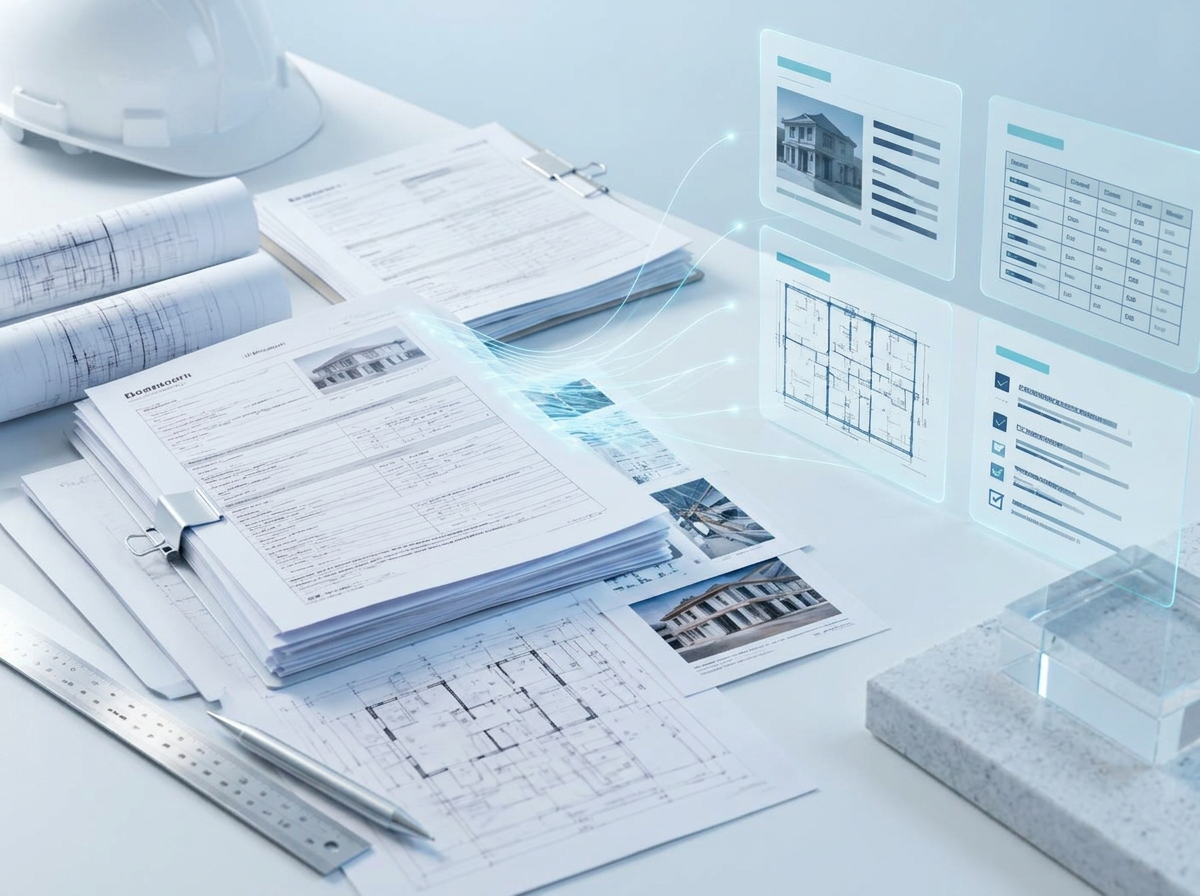
Documents, understood
Applications, invoices, certificates, and contracts become useful fields without the retyping.
Work, routed
Requests and opportunities are classified by meaning, not brittle keyword lists.
Drafts, prepared
Replies, summaries, and proposals arrive ready for the right person to approve.
Signals, surfaced
Large datasets and recurring reports are worked through without taking someone’s Friday afternoon.
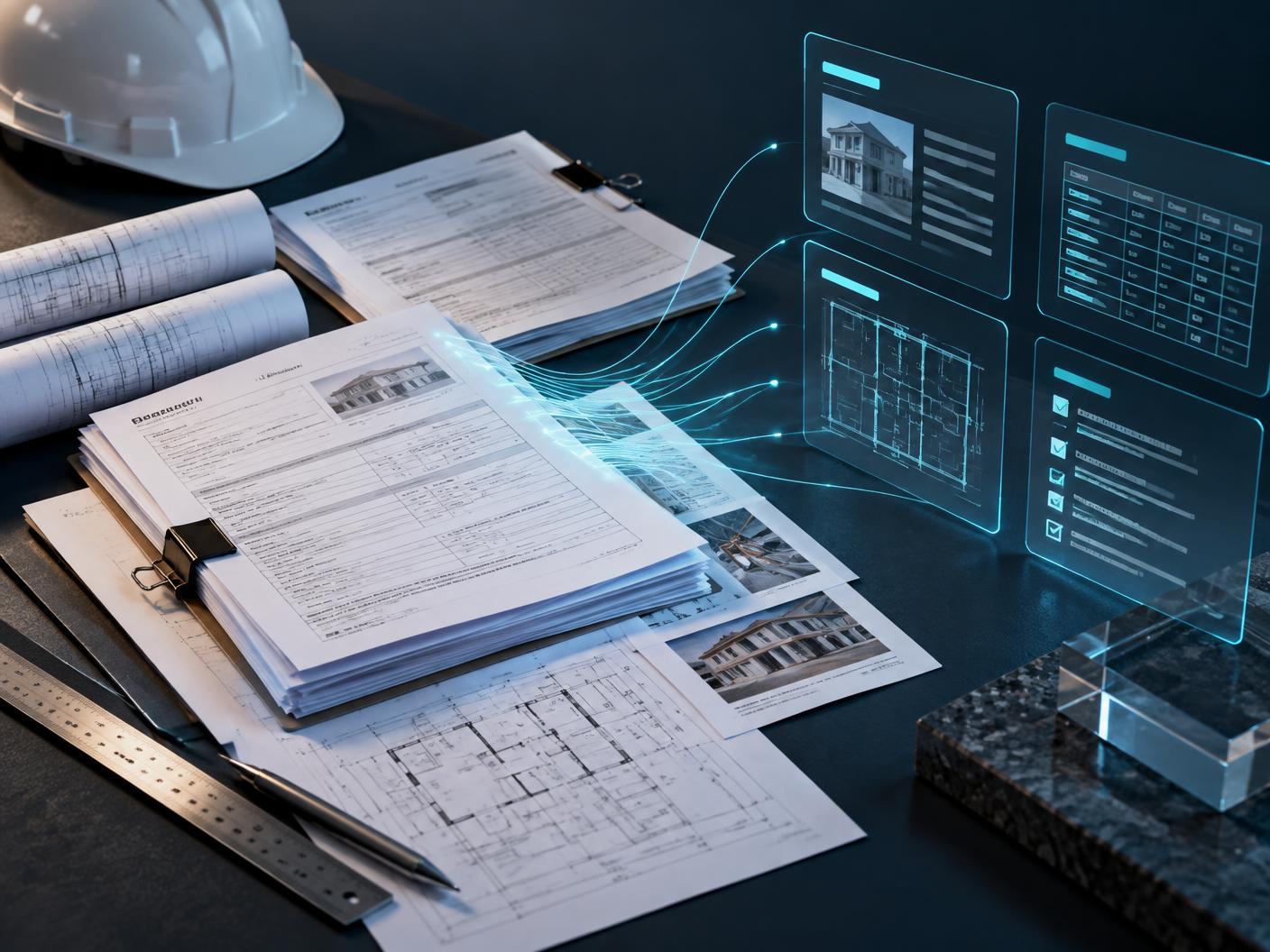
Automate the groundwork. Keep the judgment.
Decisions with financial, legal, or customer consequences usually stay with a person. The system reads, checks, prepares, and routes. Your people decide.
See how we assess the workFrom one slow workflow to a working system.
We start with the process, not a tool. Each stage closes uncertainty before the next opens.
Ten systems. Ten different jobs.
Client systems and internal automations, each built around the work it needed to change.

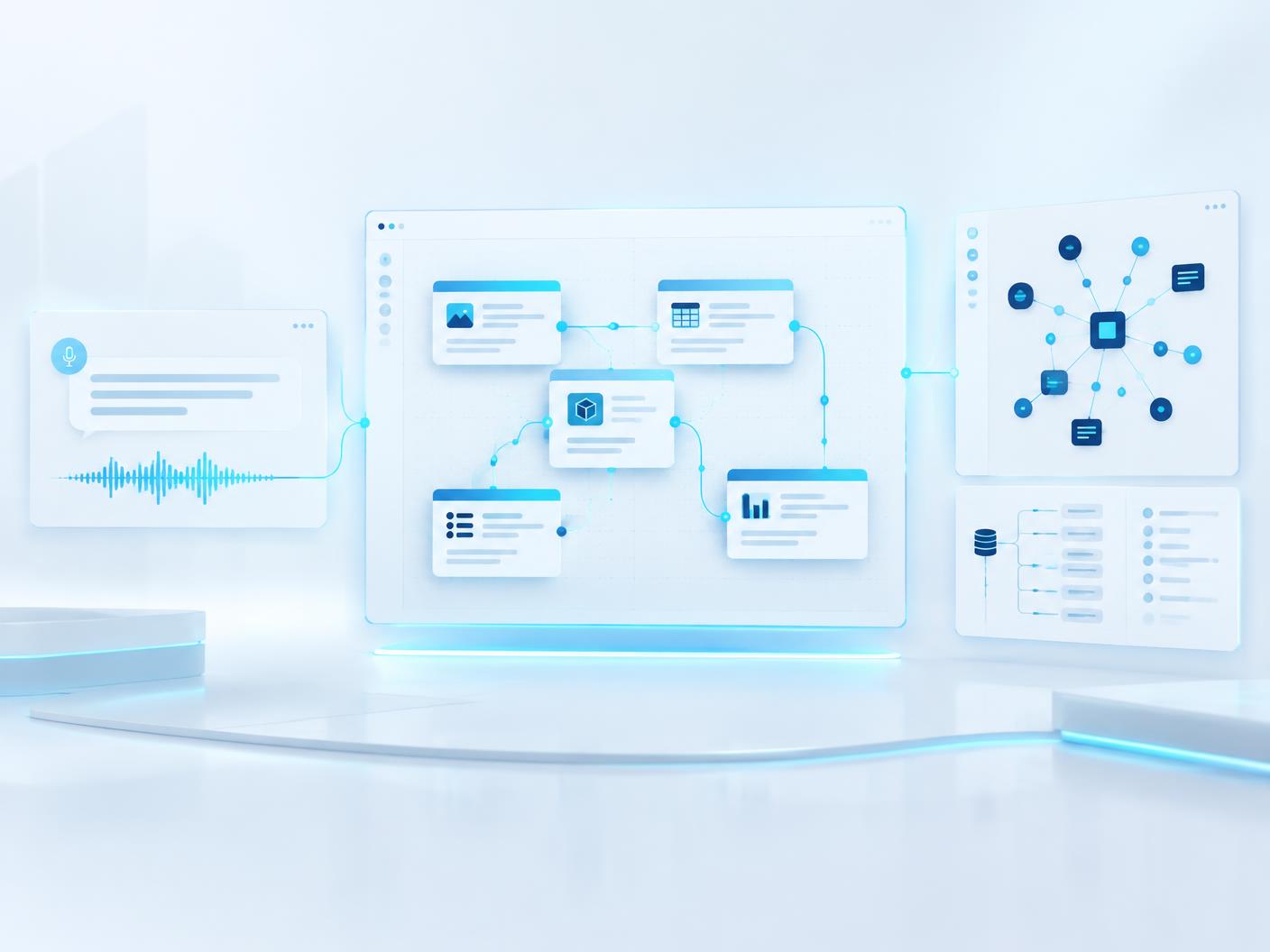



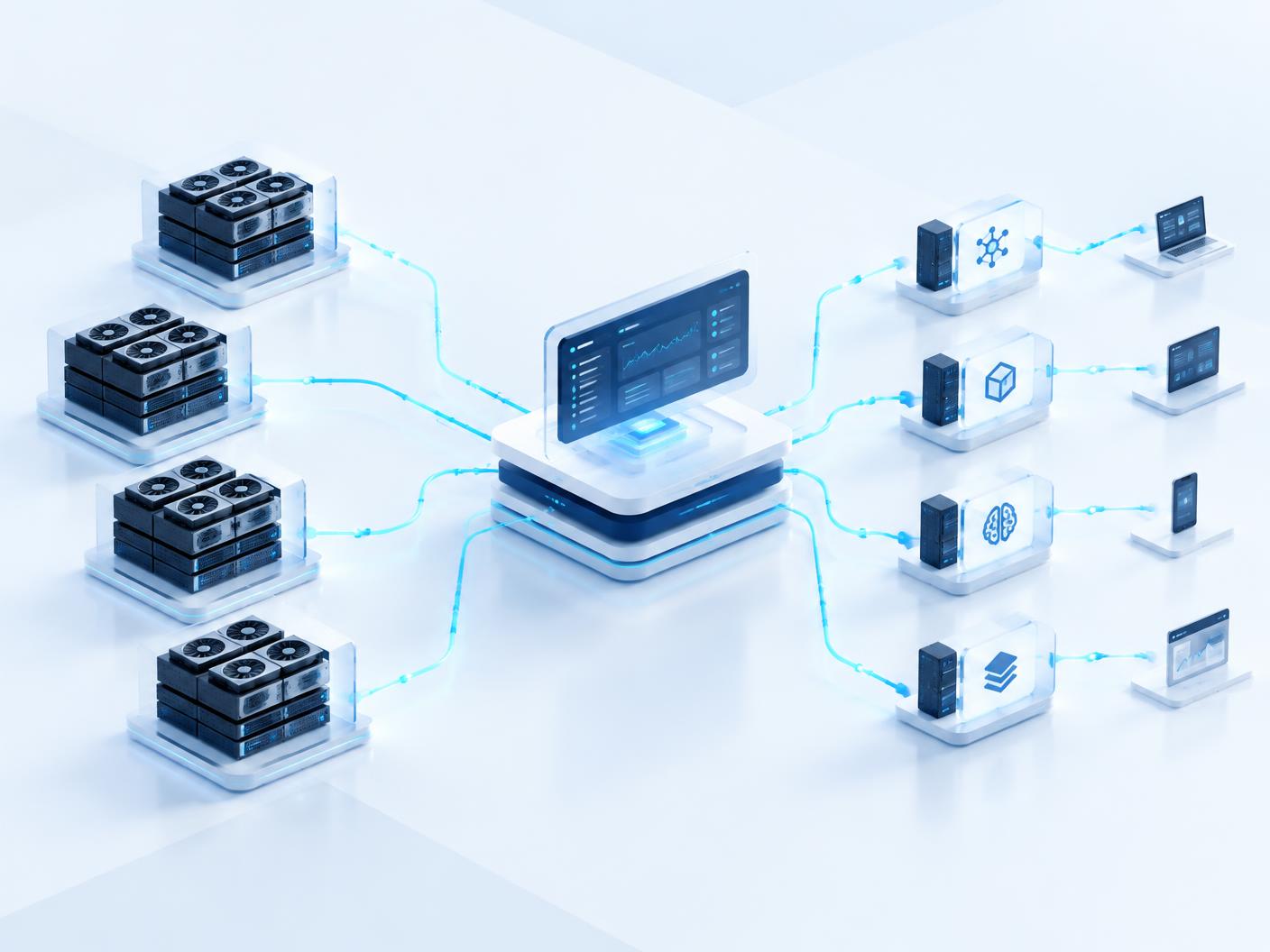

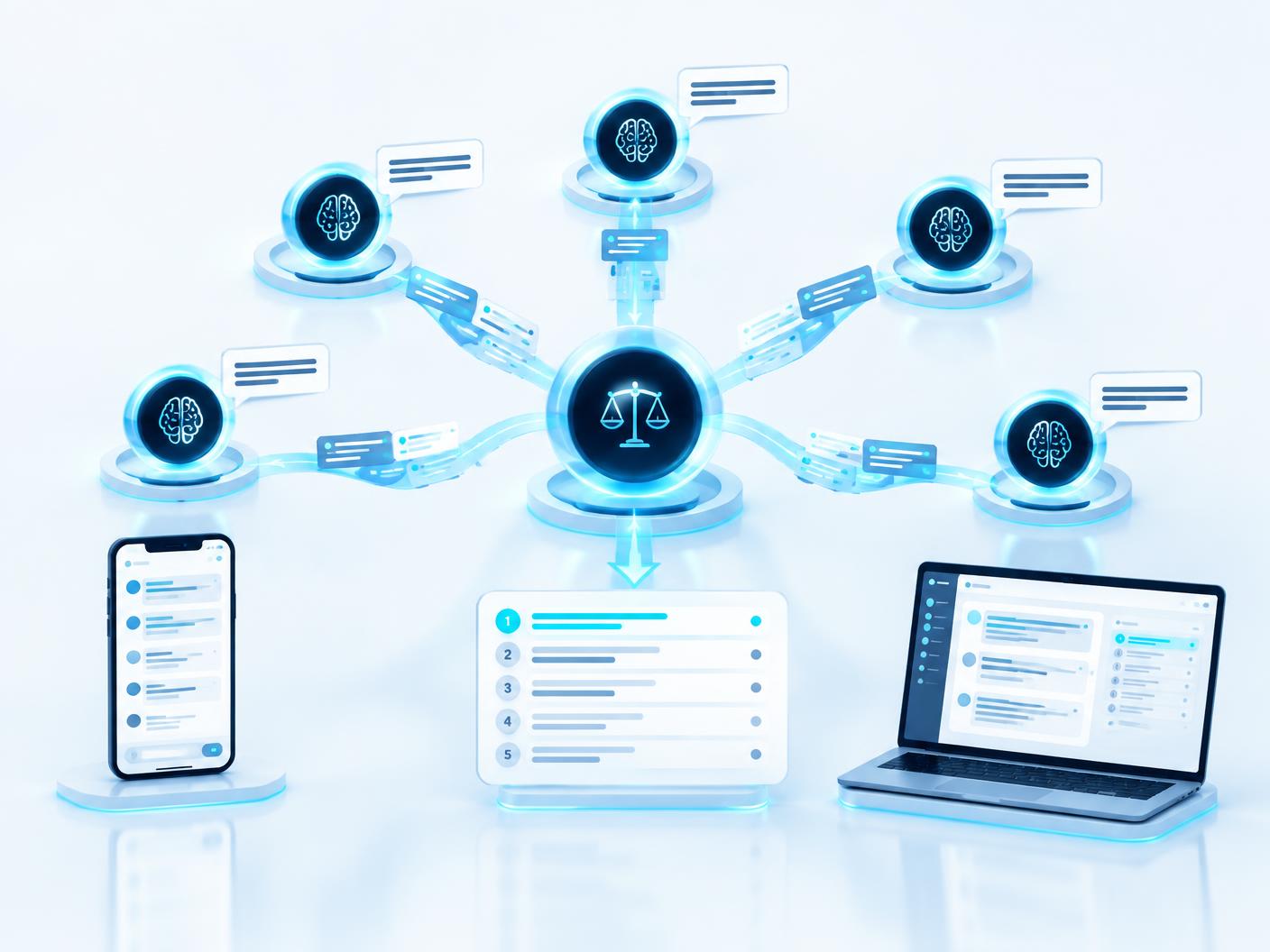

The AI step is often the smallest part.
The engineering around it makes the system dependable: authentication, validation, retries, logging, and useful behavior when an input is wrong.
What should your team stop doing by hand?
Walk us through the workflow. If automation does not make sense, we'll say so.
Start the conversation